
Overgrown acreage can turn into a problem slowly. A field edge gets rough. Honeysuckle fills in the tree line. Saplings take over a corner that used to be easy to walk. Before long, the land is hard to see, hard to mow, and hard to use.
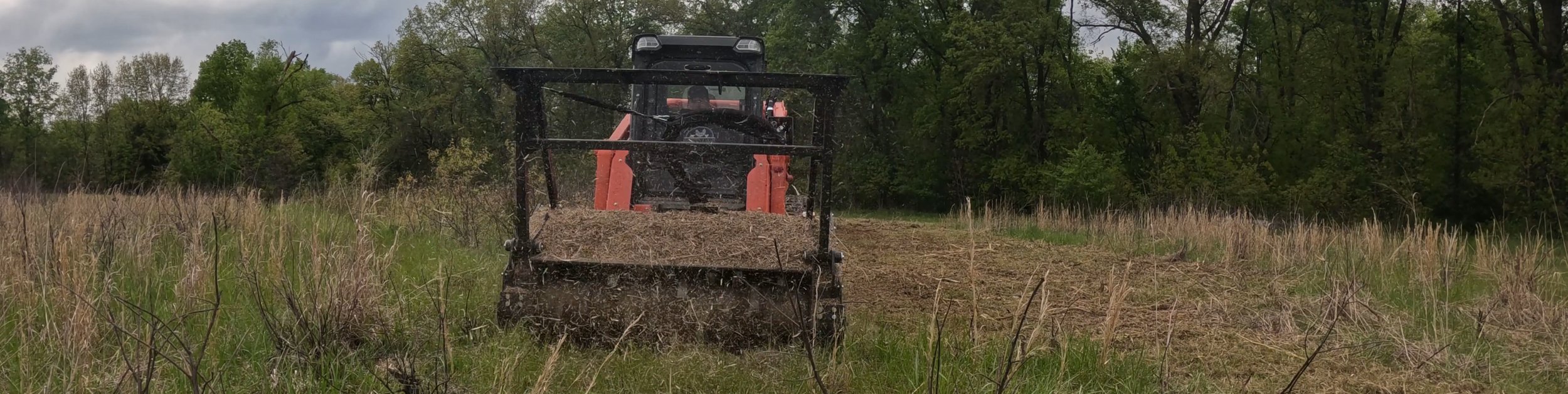
Forestry mulching is one of the most practical ways to take that ground back without creating burn piles or hauling every branch away. Instead of cutting brush and leaving debris behind, a mulching machine processes unwanted growth in place and leaves a layer of natural mulch on the ground.
For many residential acreage owners, that balance is the reason forestry mulching makes sense.
Why forestry mulching works well on residential acreage
Traditional clearing can be more disruptive than some properties need. If the goal is to open trails, clean up a wooded edge, reclaim a brushy patch, or make land easier to maintain, full excavation may not be necessary.
Forestry mulching is useful because it can:
- Reduce brush, briars, saplings, and small trees
- Leave mulch on the ground instead of piles of debris
- Improve access and visibility quickly
- Limit soil disturbance compared with heavy grading
- Make future mowing and maintenance easier
That does not mean every tree or root disappears. In many cases, that is a benefit. Keeping roots in place and covering the ground with mulch can help reduce erosion while giving the property a cleaner, more usable surface.
What types of growth can be mulched?
Every property is different, but common targets include dense brush, honeysuckle, privet, autumn olive, briars, saplings, and select small trees. The best results come from looking at the density of the growth, the terrain, access points, and what the landowner wants to do with the area afterward.
For example, a trail through the woods may need a different finish than a field edge you plan to mow. A hunting access path may need selective clearing, while a backyard acreage cleanup may focus on visibility and easier maintenance.
That is why a good clearing plan starts with the end use of the land, not just the equipment.
Forestry mulching reduces cleanup headaches
One of the biggest frustrations with clearing work is what happens to the material after it is cut. Brush piles can be an eyesore. Burning can be limited by weather, local restrictions, or safety concerns. Hauling adds cost and time.
With forestry mulching, much of that material is processed where it stands. The result is not a finished lawn, but it is usually much more manageable than tangled brush and piles of limbs.
The mulch layer can also help suppress some regrowth while returning organic material to the soil. Follow-up maintenance still matters, especially on fast-growing invasive brush, but the first pass can make the property far easier to manage.
When forestry mulching is a good fit
Forestry mulching is often a strong fit when you need to:
- Open up overgrown residential acreage
- Clear brush around field edges
- Improve access through wooded areas
- Reclaim trails or paths
- Clean up fence rows and rough corners
- Prepare land for future maintenance
If the project involves larger trees, major grading, stumps that must be fully removed, or construction-ready clearing, another method may be needed. For many homeowners, though, mulching is the cleaner and more efficient first step.
Start with a clear project quote
Before you clear acreage, it helps to know exactly what is included. Ask what areas will be mulched, what size material can be handled, how access will work, and what the property should look like when the job is done.
Flannel Landworks provides upfront project quotes for homeowners who want clear expectations before work begins. If your property is overgrown and you want a practical plan, start with the forestry mulching service page or request a quote.